Rishikesh Travel Guide: Why This Himalayan Town Matters
Rishikesh, set along the clear waters of the River Ganga in Uttarakhand, is one of India’s most meaningful travel destinations. Framed by the lower Himalayas, forested hills and riverside ghats, it brings together spirituality, adventure, wellness and everyday mountain-town life. For many visitors, it is a gateway to the Char Dham region; for others, it is a place to slow down, practise yoga, try rafting or simply sit beside the river. Its importance lies in this rare ability to welcome many kinds of travellers while retaining a strong cultural and natural identity.
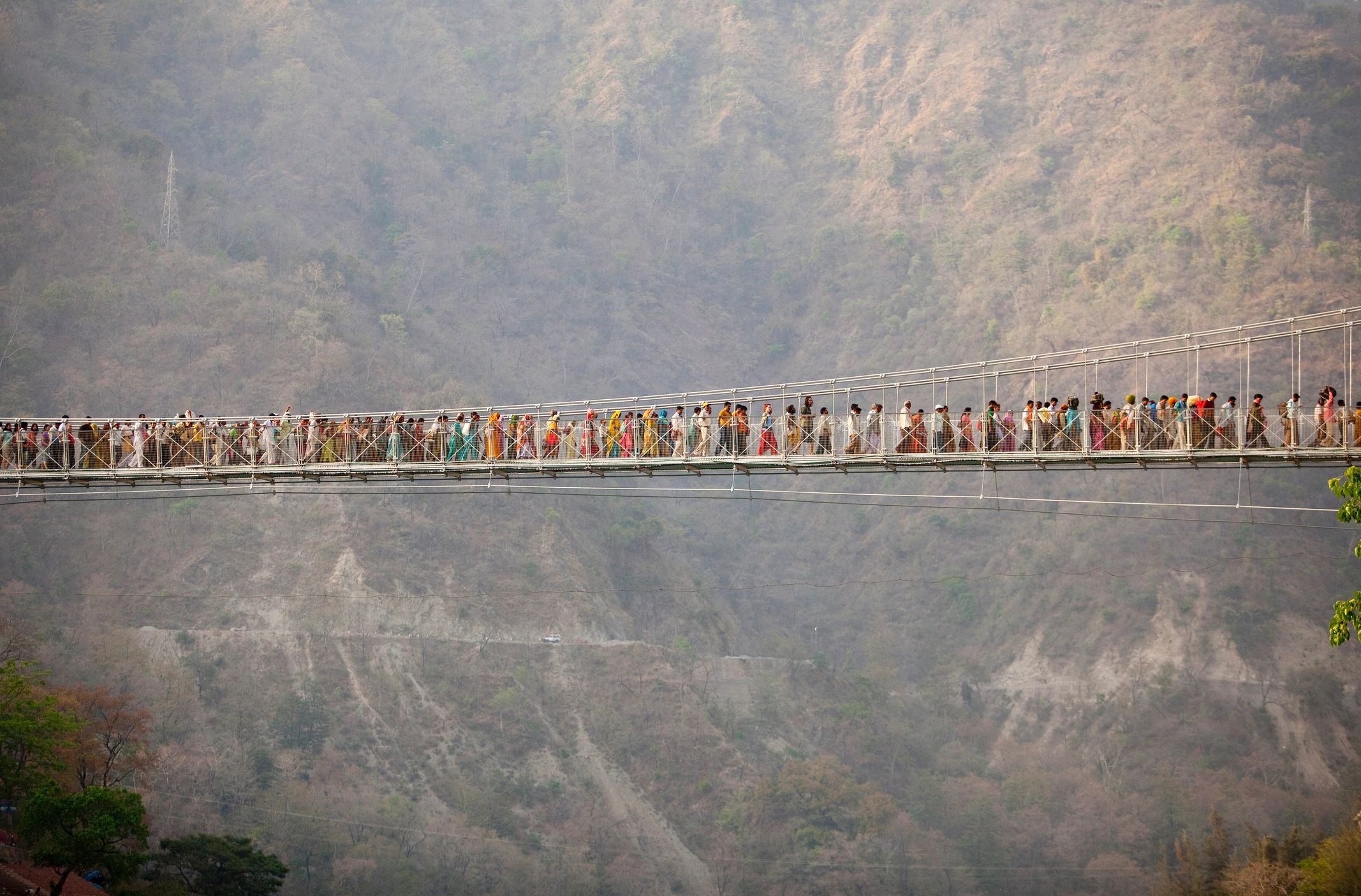
Where the Ganga Meets the Hills
Located in the foothills of the Garhwal Himalayas, Rishikesh feels like a transition between the plains of northern India and the high mountain routes of Uttarakhand. The Ganga flows swiftly here, still young and energetic before continuing toward the plains. This setting shapes the town’s character: mornings can begin with temple bells and mist over the river, while afternoons may bring walks across suspension bridges, café stops, forest trails or water sports.
Landmarks such as Lakshman Jhula, Ram Jhula, Triveni Ghat and the riverside ashrams help visitors understand the geography of the town. They are not merely photo stops. They connect neighbourhoods, pilgrims, residents and travellers to the river that defines Rishikesh. A slow walk through these areas is often more rewarding than trying to cover every attraction in a single day.
A Centre for Spiritual Travel
Rishikesh is widely known as a centre for yoga and meditation, but its spiritual importance is broader than any one activity. The town has long been associated with sages, ashrams, Hindu pilgrimage and the journey toward sacred Himalayan shrines. Many travellers come to attend a yoga class or wellness retreat, while others arrive for prayer, study, volunteer work or a quiet break from city life.
The evening Ganga Aarti at Triveni Ghat is among the most memorable experiences for visitors. Lamps, chants and offerings create a shared moment of devotion beside the river. Visitors do not need to follow a particular faith to appreciate the atmosphere, but respectful behaviour is essential. Dress modestly around religious spaces, follow local instructions and avoid treating ceremonies as performances. This approach makes travel more considerate and helps protect the dignity of living traditions.
Yoga, Wellness and Reflection
Rishikesh has become internationally recognised for yoga education and holistic wellness. Its schools and ashrams offer everything from introductory drop-in sessions to longer teacher-training programmes. Meditation, breathwork, Ayurveda-inspired routines and vegetarian food are also part of the experience for many visitors. The appeal is not only the number of classes available; it is the setting. Practising beside the Ganga or waking to views of the hills can make a simple routine feel restorative.
Travellers should choose programmes carefully. Look for clear schedules, qualified instructors, transparent fees and reviews that describe the learning environment. A short class can be ideal for a first visit, while longer courses require more research. It is also wise to leave unplanned time in the itinerary. Rishikesh is best enjoyed when there is room for a riverside walk, a peaceful café break or an unhurried visit to a ghat.
Adventure with Responsibility
For adventure travellers, Rishikesh is one of the best-known river-rafting destinations in India. Rafting on the Ganga, camping in permitted areas, trekking, bungee jumping and cliff jumping are popular activities, especially when weather and river conditions are suitable. These experiences add energy to a spiritual destination and make Rishikesh appealing to groups, solo travellers and families with older children.
Adventure should always be planned with safety first. Book with licensed, experienced operators; listen to guides; wear the required safety equipment; and never enter the river after drinking alcohol or during unsafe conditions. Seasonal closures and changing water levels are normal, so flexible plans are important. Responsible choices protect visitors and reduce pressure on a sensitive river environment.
Why Rishikesh Is Important
Rishikesh matters because it represents several important sides of Uttarakhand tourism at once. It is a spiritual hub, a wellness destination, an adventure base and a practical stop for travellers heading deeper into the Himalayas. Its popularity supports local livelihoods through guesthouses, guides, cafés, transport, yoga schools, shops and activity providers. At the same time, the town reminds visitors that tourism must be balanced with care for rivers, forests, heritage and resident communities.
The Ganga is central to this responsibility. Avoid single-use plastic, carry a refillable bottle, use designated bins and do not leave offerings or waste in the river. Choose ethical operators and respect quiet zones around temples and ashrams. Small decisions by visitors can help preserve the qualities that make Rishikesh special: clean water, calm riverbanks, cultural continuity and a sense of connection with nature.
Best Time to Visit
October to March is generally comfortable for sightseeing, yoga and riverside walks, with cooler mornings and evenings in winter. Spring can be pleasant and lively, while the warmer months suit travellers who prefer heat and outdoor activities. The monsoon season brings dramatic green landscapes but can also affect rafting, road travel and outdoor plans. Check current weather, local advisories and activity availability before finalising your trip.
Plan a Meaningful Visit
A well-planned Rishikesh trip does not need to be rushed. Spend at least two or three days to combine a ghat visit, a yoga or meditation session, a walk around the bridges, local food and one carefully chosen adventure activity. If you are travelling onward to other Uttarakhand destinations, use Rishikesh as a thoughtful starting point rather than only a transit halt.
Whether you come for the Ganga, the mountains, yoga or rafting, Rishikesh offers a powerful introduction to Uttarakhand. Travel with curiosity, patience and respect, and the town can become more than a destination: it can be a memorable pause in a journey through the Himalayas.
Start Your Uttarakhand Journey
Explore more destination ideas and practical planning tips in our Travel Guide, or contact us to plan your visit to Uttarakhand.
Leave a Reply